Confronting Hunger: Understanding the Crisis of Food Scarcity and Malnutrition
Imagine waking up to the gnawing sensation of hunger pangs, your stomach echoing the reality of daily life filled with food scarcity. It’s a tragedy that befalls millions, where meals are not just a time for nourishment, but a luxurious dream that seems perpetually out of reach. The silent crisis of hunger is a topic too often brushed under the rug, but it is a conversation that begs to be had. What does it truly mean to face starvation in a world overflowing with food? Let’s delve deeper into how food scarcity fuels a cycle of malnutrition and suffering.
Food scarcity affects not only those in developing countries but has ramifications that extend across the globe. It’s a bitter irony that abundant resources exist while countless people grapple with emaciation and underfeeding. Did you know that over 800 million people suffer from chronic hunger? This figure doesn’t just represent a number; it signifies real lives impacted by a lack of nourishment. Imagine the affect on children whose diets are characterized by caloric deficiency. These children aren’t just being denied food; they are being deprived of opportunities for education, health, and overall a promising future.
The complexities of food scarcity intertwine with almost every facet of society. Drought, conflict, and economic instability are all contributing factors that exacerbate this hunger crisis. The World Food Programme describes food insecurity as an unfortunate daily reality for many individuals, especially in regions plagued by famine or natural disasters. What does this mean for local farmers who struggle to produce sufficient crops amidst these challenges, or for families that face the crushing burden of prolonged fasting? Each story is unique, yet they are united by the heartbreaking theme of survival amid deprivation.
As we peel back the layers of this crisis, it becomes clear that the road to alleviating hunger and malnutrition is fraught with obstacles. Lean diets often result from financial strain and lack of access to diverse food options, leading to serious health implications. Have you ever thought about the impact of a lack of hydration on someone struggling with food insecurity? Thirst becomes an everyday companion, mirroring the scarcity of nourishment. Health experts emphasize the importance of a balanced diet, yet for many, even basic nutritional needs are but a fleeting dream, making effective healthcare and proper nourishment a distant reality.
To overcome the challenge of hunger, we must open our eyes and hearts to the suffering around us. The solution begins with awareness, education, and ultimately, action. Not everyone has the privilege to access high-quality nutrients or live without fear of a food shortage. So what can we do? Simple acts of kindness, like donating to local food banks or supporting initiatives aimed at eradicating food waste, can have a ripple effect in our communities. Let’s challenge ourselves to contribute to a solution that addresses food scarcity and the associated malnutrition. Because together, we can shift from mere survival to thriving, empowering everyone to rise above the struggle that hunger imposes.
The Battle Against Hunger: Strategies to Combat Food Insecurity and Starvation
As we navigate through life, our relationship with food often waivers between a comforting embrace and a source of worry. Sadly, for millions around the world, food represents a quiet battle—a battle against hunger, starvation, and the looming threat of food insecurity. The grim reality of food scarcity isn’t just an abstract concept; it’s a pressing crisis that affects our friends, families, and communities. In a world where one in nine individuals suffers from malnutrition, the time has come for us to focus on strategies that address this hunger crisis and work towards a sustainable solution. What if we could unite and turn the tide against this deprivation?
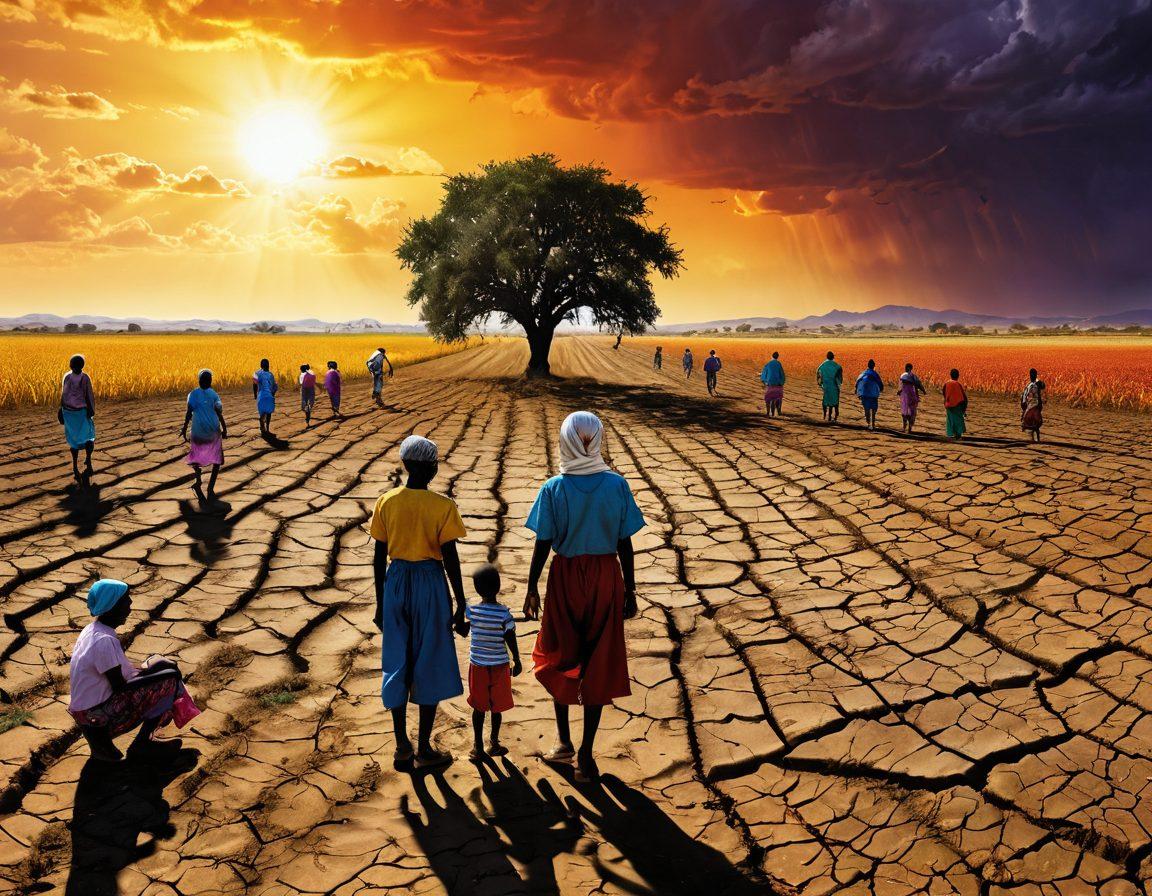
When we think of famine, we often visualize expansive dry lands, barren fields and large crowds waiting for aid. But what does that mean in practical terms? Emaciation, weight loss, and a crippling thirst are just fragments of the daily existence faced by those trapped in this cycle. The hunger pangs that accompany underfeeding can become a symphony of despair, echoing the fear and trauma many experience when access to adequate food is limited. How did we reach this point of food shortage, and more importantly, how can we pull ourselves back from the brink?
Understanding the roots of food scarcity and malnutrition is crucial to effectively combat these issues. A lean diet that lacks vital nutrients is often just the first chapter of a much larger story. Factors like drought, economic disparity, and political instability contribute to a complex web of food insecurity that demands a multifaceted approach. From sustainable farming practices to government-supported food programs, it is clear: tackling this hunger crisis requires both grassroots efforts and systemic change. In doing so, we not only alleviate immediate suffering, but also build a stronger community for the future.
One actionable strategy lies in advocating for a balanced diet that prioritizes nutritious options. By educating ourselves and those around us about the importance of diverse food sources, we can transform the way our communities approach eating. Imagine attending a workshop where the principles of a healthy diet are shared, and the importance of caloric intake in preventing malnutrition becomes crystal clear. The more we understand, the more successful we will be in battling the consequences of food scarcity. As we instill knowledge, our communities gain the power to resist the tide of underfeeding, and every meal becomes a step towards resilience.
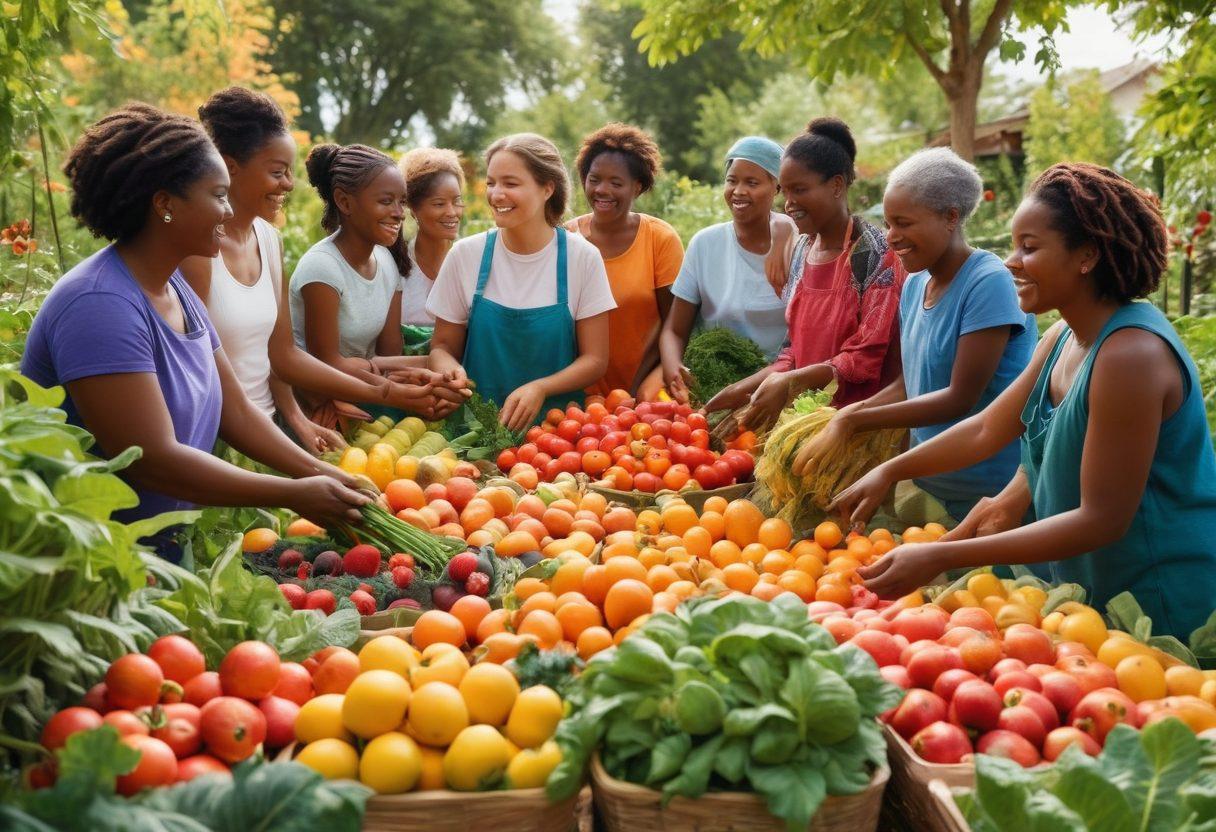
Community engagement can also make a significant impact in addressing the challenges of food insecurity. Initiatives like community gardens, local food banks, and nutrition education programs are crucial in bridging the gap between those suffering from hunger and the resources they need. So, the next time you encounter those hunger pangs or read about starvation in the news, ask yourself: how can I contribute to a solution? The battle against food insecurity demands our collective effort. Can we come together and transform lives, one meal at a time? Let's take the first step towards a future where hunger is no longer the enemy.
From Drought to Deprivation: Understanding the Complexities of the Hunger Crisis
In our fast-paced modern world, it is all too easy to overlook the grim realities that many people face daily as they navigate the hunger crisis. When we think about 'hunger,' we often picture starving children or emaciated adults in faraway places. Yet hunger is a complex issue intertwined with the very fabric of our global systems. From drought to deprivation, understanding the intricacies of food scarcity and malnutrition can empower us to confront this pressing crisis and spark meaningful change. How often do we pause to reflect on those hunger pangs that we experience when we're simply waiting for our next meal? For many, that wait stretches into years of unrelenting struggles with starvation and food insecurity.
Drought is a significant factor in the hunger crisis, creating a ripple effect that leads to food shortages and economic turmoil. Picture a once-thriving village where crops wilt under the blistering sun, leaving families grappling with underfeeding and caloric deficiency. As droughts become more frequent and severe due to climate change, the impacts of drought extend beyond the fields—thirst becomes a lingering companion, and the concept of a healthy diet fades into oblivion. Could we have imagined the extent to which our choices affect others, especially when we waste food or ignore sustainable practices? Every meal we consume carries with it an invisible story of struggle and survival.
The relationship between wealth and nourishment cannot be overstated. Ironically, while some communities suffer from famine, others encounter food wastage on a shocking scale. There are alarming contrasts: in affluent nations, obesity and related health issues thrive alongside rising concern over food scarcity in poorer regions. As we contemplate our lean diets, we must also question how we contribute to food insecurity—are we buying only what we need, or could our habits do better? Starvation and malnutrition do not only affect the body; they disrupt entire societies. What role can we play in fostering stronger, more resilient food systems?
Addressing this hunger crisis means not merely feeding the hungry but also investing in sustainable agricultural practices, equitable distribution systems, and education that empowers communities to grow healthy foods. Initiatives focusing on environmental conservation hold the key to alleviating the impact of droughts and ensuring food security. Moreover, advocacy for policies that improve access to nutritious food is critical. Together, we can create a network that supports those grappling with starvation while simultaneously guarding against the rising tide of malnutrition that jeopardizes our collective future. The question we face today is not if we can achieve this change, but how swiftly we can unite to make it happen.
The story of the hunger crisis is not one of hopelessness but of possibility. Millions are yearning for nourishment, not just to survive but to thrive. As the world contemplates anew the challenges of food scarcity, let us connect the dots between each piece of the puzzle—from improving diets to rapacious consumer habits. The changes we make today resonate through generations. Can we rewrite the narrative of deprivation into one of abundance? By awakening our collective humanity, we stand a chance to confront the hunger crisis together and ensure that no one goes to bed hungry again.